

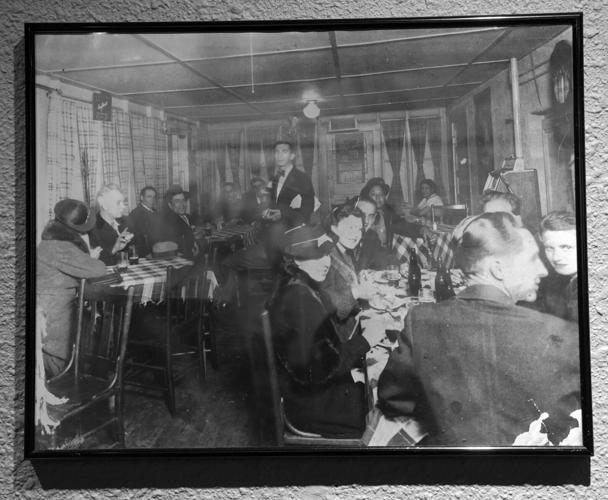
A History of Prohibition in El Paso
Prohibition in El Paso, Texas, is a unique chapter of American history defined by the city’s strategic location on the U.S.-Mexico border. While the rest of the nation struggled with the enforcement of the 18th Amendment, El Paso’s proximity to Juárez created a distinct environment that transformed the local economy.
The Borderland Advantage
When Prohibition took effect in Texas on April 15, 1918—nearly two years before the national ban in 1920—El Paso’s social and economic landscape shifted dramatically. Rather than ending the consumption of alcohol, the restrictions effectively pushed the “wet” lifestyle a few miles south across the Rio Grande.
- Tourism and Economy: Juárez became a booming destination for Americans seeking legal alcohol, gambling, and nightlife. This created a symbiotic economic relationship; El Paso served as a transit point for tourists arriving by rail, many of whom crossed the border to “get their drink on” before returning to the U.S.
- The “Hole-in-the-Wall” Saloons: Beyond the border crossings, illicit activity also occurred in remote areas like Cordova Island and San Elizario Island, where saloons operated in “questionable jurisdictions” that were often poorly policed by either nation.
- Near-Beer and Smuggling: Locally, El Paso businesses struggled to adapt. The El Paso Brewery, for example, transitioned to producing a “near-beer” called Bravo, but its popularity plummeted as people opted for the real thing in Mexico. Distilleries in Juárez also began exporting alcohol back into the U.S., fueling a significant smuggling trade.
The Local Perspective
El Paso never took Prohibition particularly seriously compared to more rural, “dry” parts of Texas. Because Juárez was so accessible via toll bridges, the demand for local, illegal manufacturing—such as “bathtub gin”—was moderated by the easy availability of legal spirits just across the river.
By the time national Prohibition was repealed in 1933, the “boom years” in Juárez began to fade as nightlife moved back toward the U.S. side of the border.