

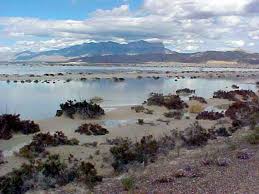
The San Elizario Salt War
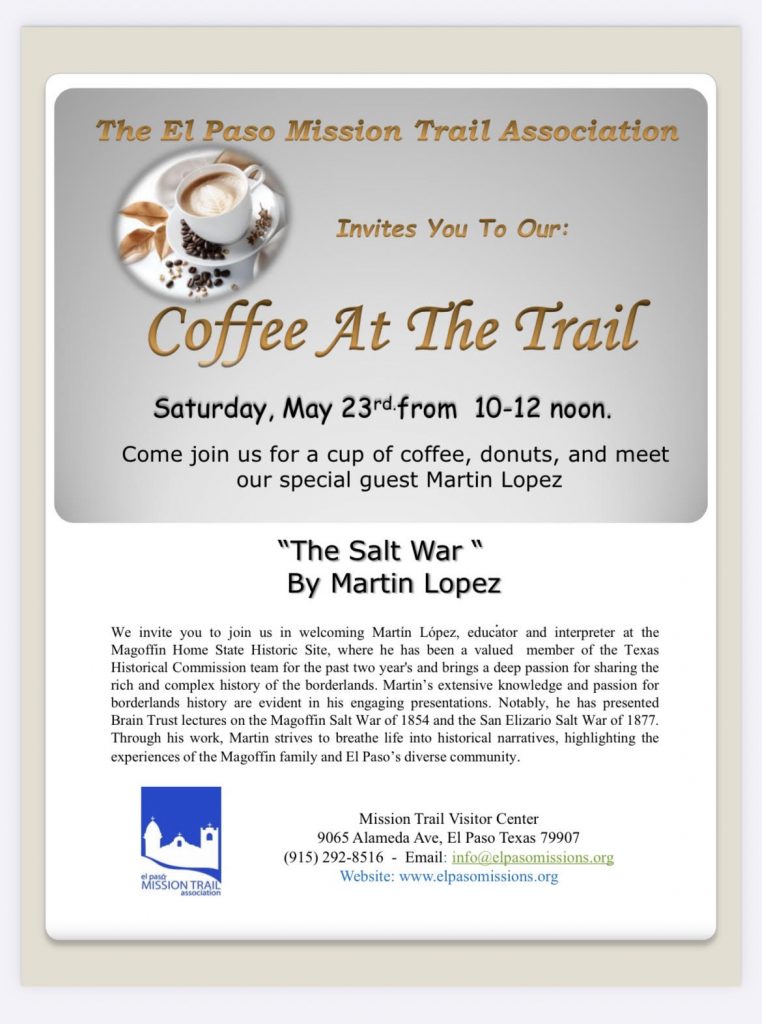
The San Elizario Salt War of 1877 (also known as the El Paso Salt War) was a violent conflict over the ownership of communal salt deposits at the base of the Guadalupe Mountains. It remains a significant event in Texas history, representing a clash between traditional Mexican communal law and the Anglo-American system of private property.
The Root of the Conflict
For generations, the residents of the El Paso Valley (known as salineros) had harvested salt from the Salt Flats for free. Under Spanish and Mexican law, these deposits were considered public resources. However, after the Treaty of Guadalupe Hidalgo, Anglo-American settlers began using U.S. land laws to claim private ownership of the lakes to turn a profit.
Key Figures & Escalation
The tension centered on a few prominent men in the region:
- Charles Howard: A Missouri lawyer and judge who filed a private claim on the salt lakes and began charging fees.
- Louis Cardis: An Italian immigrant and local political leader who championed the rights of the Tejano community to access the salt for free.
- Father Antonio Borrajo: A local priest who also supported the community’s traditional rights.
In September 1877, Howard sparked a riot when he arrested two local men who intended to collect salt without paying. An angry mob captured Howard and held him for three days; he was only released after promising to relinquish his claim and leave the area.
The Outbreak of War
Howard broke his promise and returned to the area. On October 10, 1877, he shot and killed Louis Cardis in an El Paso store, an act that outraged the community and effectively shut down the local government in favor of community juntas.
In December, Howard returned to San Elizario with a small detachment of Texas Rangers to press charges against a group of salt-seekers. They were quickly besieged in their quarters by a force of approximately 500 men.
The Siege and Surrender
- The Siege: The standoff lasted five days.
- The Execution: Howard eventually surrendered to save his party. On December 17, 1877, he and two of his associates were executed by a firing squad composed of men from Mexico.
- Ranger Surrender: This marked one of the few times in history that the Texas Rangers surrendered to an opposing force. They were disarmed and allowed to leave.
Aftermath and Legacy
The conflict was eventually suppressed by the arrival of the African American 9th Cavalry and a New Mexico posse. The fallout was severe:
- Exodus: Fearing retaliation, many Tejano families fled across the Rio Grande into Mexico.
- Fort Bliss: The war led to the re-establishment of Fort Bliss to maintain federal order in the region.
- Outcome: Private ownership of the salt lakes was ultimately upheld, ending the tradition of communal use. However, the arrival of the railroad shortly after made cheap commercial salt from Kansas more accessible, rendering the contested salt flats less economically vital.
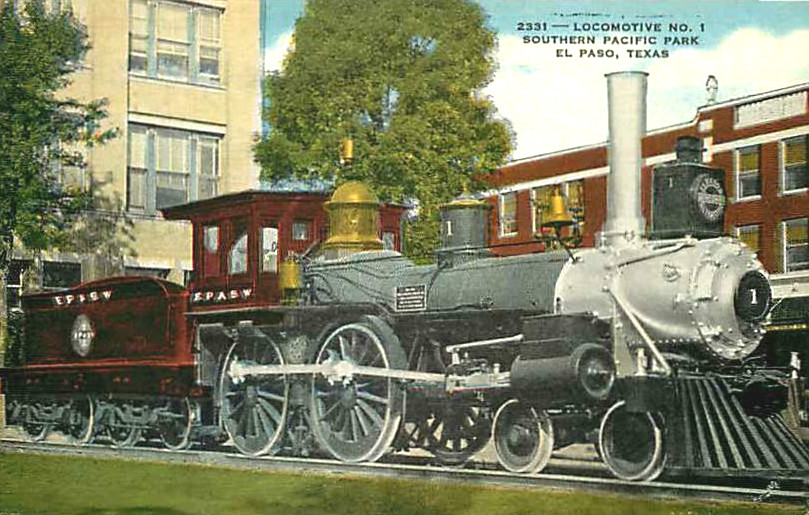
El Paso has a rich railroad history. Unfortunately the City of El Paso seems to have a disdain about our railroad heritage. Stay tuned for more updates at Rio Grande Trails and Tales. The powers to be must not steal our railroad history from us.